

One of the most difficult tasks in holistic healthcare, and often the least rewarding, is counseling patients or clients to make healthy lifestyle changes. While homeopathy and herbalism can direct the vital force towards natural healing, and nutritional supplements can provide essential factors lacking in the modern food supply or depleted by years of chronic stress, it’s difficult for any of these therapies to really take effect if people continue to make unhealthy lifestyle choices. Even highly motivated people can struggle to make these changes permanently, and not everyone seeking more natural approaches to healthcare is highly motivated. While some turn to natural medicine ready to embrace these changes, or even because they have already made them, others may do so simply because they feel ignored or unheard by conventional medicine, and are often overwhelmed by what they perceive as the monumental changes demanded of them. Paradoxically, one of the worst ways to motivate these people is to minimize their concerns, even in the spirit of encouragement, by telling them the process will be easier than they think. People often know quite well what difficulties lie in store, and to say otherwise is essentially telling them their thoughts are invalid. This makes them feel unsupported, causing attempts at encouragement to backfire.
One of the challenges, when giving advice, is that the people most qualified to do so or likely to be sought out for it tend to be out of touch with what the average person is going through. Everyone knows it takes willpower to make healthy choices, but what no one considers is that healthier people tend to have more willpower. Think about how many fit people go to the gym, while those who really need to struggle to find the energy. Some people are so tired by the end of the day that to simply cook a healthy meal at home is too much effort. People often claim they’re too busy or lack the time to make healthy choices, but we all know anyone can make the time if it’s truly a priority. The real problem is not usually lack of time, but a lack of energy.
I distinctly remember a time when I was not as healthy as I am now, and it was during that time that to contemplate a permanent change to some aspect of my daily routine, whether eating differently, exercising more, or giving something up, felt a like a challenge so monumental I would give up before I started. What strikes me is that now, any of those changes would seem easy. When I can go for an eight mile run after work, despite fasting all day, and still have the energy to cook for myself at home, it would be easy to dismiss people who rely on fast food, if not for the fact that I can still recall feeling the exact same way myself. What changed for me, to give me so much more energy? To put it simply, I got healthy. It’s an unfortunate irony that making healthier choices really is easier for those who are already in good health than it is for those most desperately in need of them.
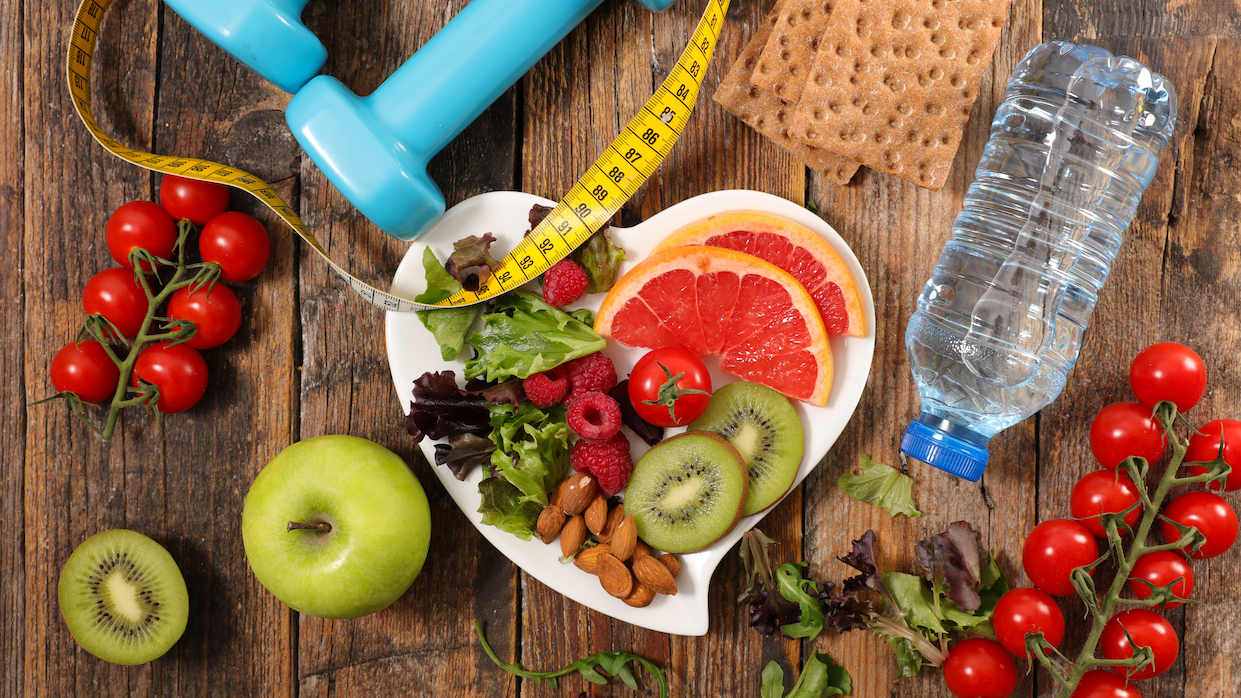
The reason for this, in my experience, is a certain momentum that develops as one begins to make even the smallest changes. One of the clearest signs of health and vitality, and one of the most noticeable things to increase as one becomes healthier through lifestyle choices, is energy. This likely involves much more than improving metabolism through weight loss or better blood sugar control, and reflects mechanisms operating at the cellular level like mitochondrial function, which is where energy begins. Because mitochondrial function can be influenced heavily by things like overall toxic burden, vitamin status, and antioxidant function, a person’s energy level can be taken as a great indication of general vitality. Many people know they would benefit from exercising more, yet they don’t have the energy, and they’re not being lazy: it’s actually true. Many people know their health would improve if they cooked more meals at home, but at the end of a typical day they really do feel too exhausted to cook. While these people are often accused of lacking willpower, it may just be that they simply need more energy.
It often goes unappreciated that to exert willpower takes a tremendous amount of energy. We might refer to this as mental energy or emotional energy, but at the cellular level all energy can be measured physically. The brain consumes about 20% of the body’s total energy, despite comprising only 2% of its body weight, and the forebrain responsible for impulse control is the most energy-intensive part. To exert willpower is undoubtedly among the most energetically demanding tasks the body can perform, hence why so many people lose control of their emotions or give into cravings when their blood sugar drops. I am a person who has a lot of willpower: I once ran a fifty mile ultramarathon on feet that were bleeding for the last twenty miles, and two things I have noticed about willpower are that 1) it tends to increase the more one trains for physical stamina, and 2) even my willpower goes out the window when I’m hungry, tired, or stressed.
What this means for people struggling to make lifestyle changes is that things like avoiding sugar and processed foods become easier as overall energy improves, which tends to occur as health improves. When counseling patients or clients toward lifestyle changes, it is important to emphasize that what feels impossible now will start to feel more realistic and doable as health improves. The important thing is to focus on what’s doable now, beginning with small steps which build momentum. It is surprising how even minor changes over time will improve health, resilience, and energy levels to the point that bigger steps will start to seem manageable.
When contemplating the steps needed to truly change their life and rediscover their health, many people make the mistake of taking an all-or-nothing approach and thinking they need to do everything all at once, or none of it will matter. Even small changes require effort, and it’s hard to justify putting effort into minor improvements that one knows will not be sufficient. At the same time, the major changes might still be unachievable, and people tend to think that continuing certain bad habits will “cancel out” any small improvements they do make, hence why even bother. This is why it’s important to emphasize and explain that the big things will become easier once the small improvements start to add up. Just like it’s unrealistic to make someone train for a marathon if they cannot run a mile, it’s hard to have someone make sweeping dietary changes and throw out all their old processed food if they need caffeine just to get through their day.
The more people tend to neglect their health, the more it becomes a vicious cycle because let’s face it, it takes effort to remain healthy in our modern world. Chemicals and pesticides in food, air and water can burden your liver and make you sluggish, which makes you turn to convenience foods with toxic seed oils that drive inflammation and decrease mitochondrial function. Then it becomes difficult to exercise as much, and as you lose those health benefits your stamina decreases and you become even more tired. This makes it more difficult than ever to resist cravings, keep healthy habits, and schedule your life in a way that makes time for what matters. But this same vicious cycle can go the other way, when people begin to make even changes for the better. Shutting down screens an hour before bed, committing to eating breakfast at home every morning instead of purchasing from a convenience store, buying a stainless steel water bottle to replace plastic, all of these changes will improve energy directly or indirectly, by providing better nutrition or decreasing toxic burden both on the liver and at the cellular level. Since the liver runs most of the body’s metabolism in addition to detoxification, just removing certain chemicals from your life can provide the boost of energy that makes bigger tasks seem doable. When helping to motivate patients or clients, the knowledge that a task like giving up soft drinks, which can seem impossible to people, will actually feel easier after the smaller changes are made.
Here are some small changes that can be recommended to people not yet ready to undertake more dramatic lifestyle steps to improve their health:
- Commit to shutting down screens at least a half hour before going to bed.
- Avoid artificial food dyes (which are being phased out in the US anyway).
- Avoid microwaving any food in plastic or Styrofoam containers.
- Plan and shop to prepare three healthy meals per week at home.
- Switch to an aluminum-free deodorant.
- Eliminate artificial scent products from your home.
- Go for an hour-long walk every weekend.
- Decrease fast food consumption by one meal per week, until it’s down to one meal per week or less.
- Fast for twelve hours one day per week.
- Time yourself on a one-mile walk or run and try to increase your speed.
- Replace all of your cooking oils with butter, tallow, or coconut oil.
Many people will consider purchasing a fitness tracker, counting steps or calories, or joining a gym in an effort to get healthy, thinking the ability to track progress or the commitment to purchase a gym membership will provide the motivation they need. The reason this rarely works is because the things required to truly make significant health improvements – eliminating seed oils from your diet, exercising regularly, sleeping consistently and getting off most if not all pharmaceutical drugs – take effort to accomplish, and incentives won’t really help people who still lack the energy to do so. Just like buying a new pair of running shoes or listening to the right inspiration podcast won’t make you a good runner unless you actually start running and slowly increase your mileage, there is nothing that makes someone healthier all at once except real, actionable lifestyle changes that become increasingly meaningful in small, steady intervals. Through this approach, you can avoid overwhelming people with recommendations while still encouraging the major lifestyle changes that some people honestly need to make if they wish to become healthier.
 Beyond Arnica: Homeopathic Remedies for Musculoskeletal Pain